What Is Turrialba, Costa Rica Known For?
Turrialba is known as the gateway to the Pacuare River, and a farming town famous for cheese, coffee and an active volcano. Here is what to expect.
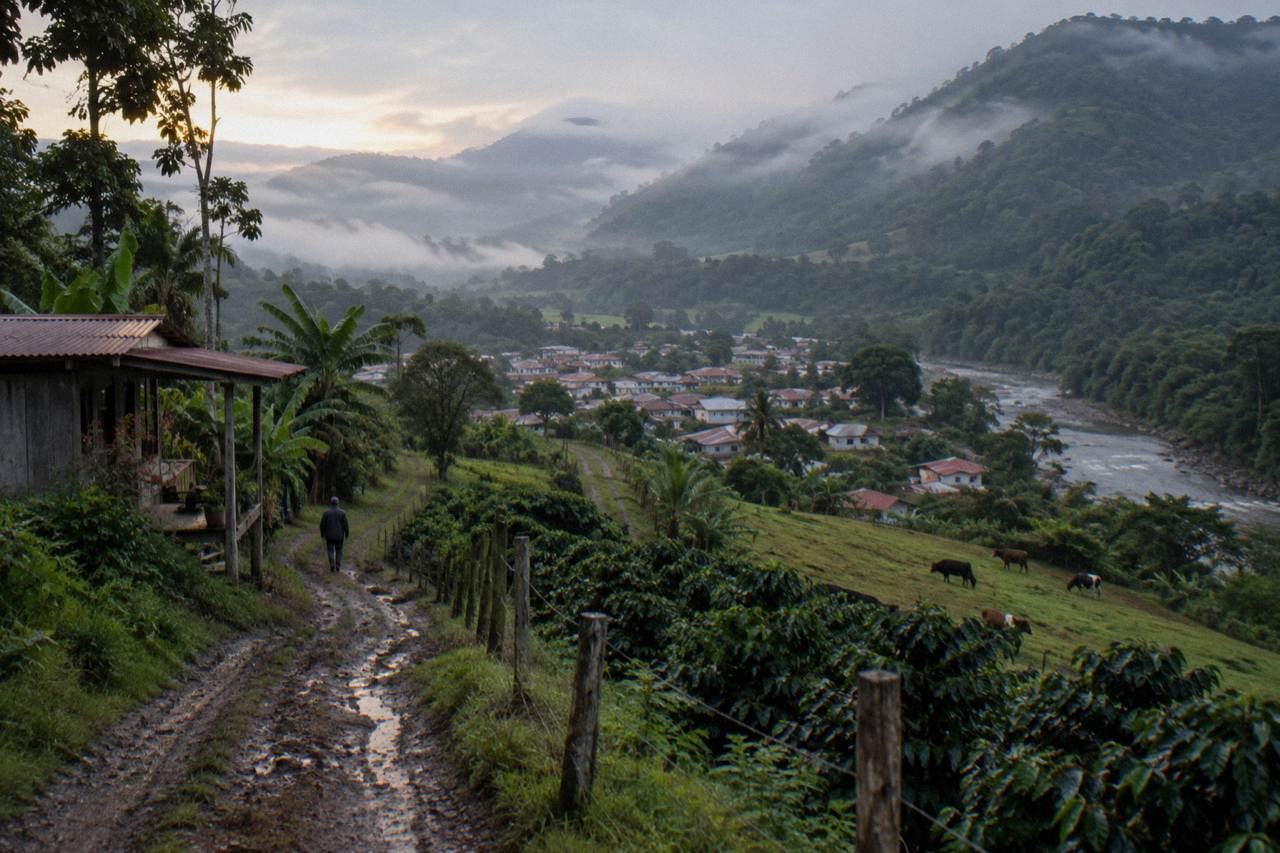
Turrialba sits at about 648 meters elevation in Cartago province, roughly 62 km east of San Jose, with a district population of about 25,334. Most foreign visitors arrive because of one thing: the town is the practical base for Pacuare River rafting, the Class III-IV jungle run. But the town has its own identity, built around dairy farming, coffee, an active volcano and one of the most important archaeological sites in the country. This article lays out what Turrialba is genuinely known for, and how the rafting trips that leave from here fit into a visit.
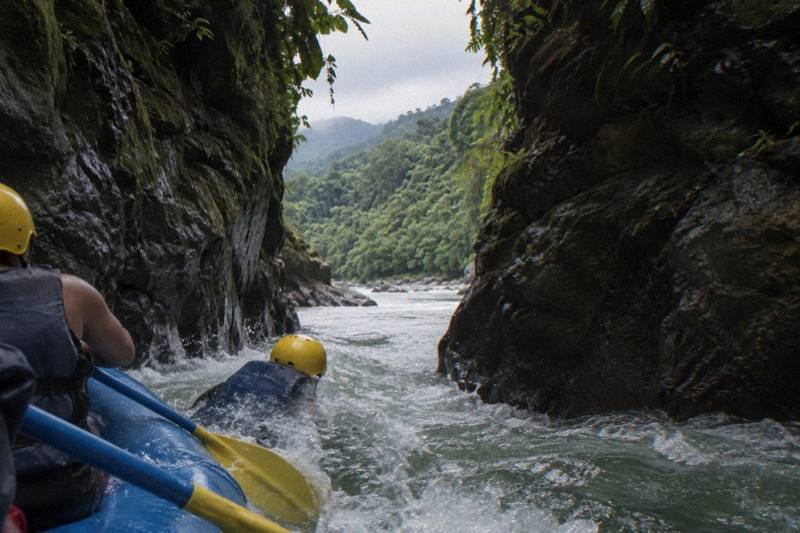
Turrialba is known first and foremost as a base for rafting the Pacuare River and for the active Turrialba Volcano that shares its name. Visitors also come for the locally made Turrialba cheese, for coffee grown on the surrounding volcanic slopes, and for the Guayabo National Monument, the most significant pre-Columbian archaeological site in Costa Rica. For most international visitors the headline is the whitewater, and for good reason. The Pacuare's commercial Lower section runs Class III-IV through a rainforest gorge, and Turrialba operators run it as a day trip with lunch at the end. The town itself stays quiet, working and agricultural, which is exactly why many rafters end up liking it.
The rafting connection is not incidental. Turrialba is close enough to the river's access points that local operators can run morning departures without the pre-dawn hotel pickups that San Jose guests deal with, commonly reported as 1h20 to 1h40 of driving from the capital. Several operators on this site depart directly from Turrialba, including the most reviewed trip in the whole catalogue: Rafting Pacuare River One Day from Turrialba, 5.0 from 385 reviews, from $99 per person, six hours total with a typical Costa Rican lunch at the end of the run.
If you are weighing Turrialba against San Jose as a departure point, the tradeoff is simple. San Jose trips bundle long transfers and breakfast into a 9 to 12 hour day, while Turrialba trips spend less of the day on a bus and put you on the water sooner.
Why Is Turrialba The Base For Pacuare River Rafting?
Turrialba is the closest real town to the Pacuare's day-trip access points on the Tres Equis side, so operators such as Adrenalina Rafting, Explornatura, Ticos River Adventures and Turrialtours run their trips from here with shorter transfers and lower prices than San Jose departures. The roster's Turrialba day trips start from $99 per person, against $112 to $195 for the San Jose listings. Six listings offer one-day Pacuare trips departing Turrialba.
The differences between the listings matter more than the shared river. Group caps run from 18 to 60 guests. One, Pacuare River by Ticos River Adventures, is a private tour from $125 per person, 4.9 from 204 reviews, four hours total, with food and hotel pickup listed as exclusions, so you meet the operator at its base. The Explornatura trip, Rafting Pacuare River from Turrialba, is 5.0 from 196 reviews, from $120 per person, six hours, includes lunch and transfer from Turrialba. The Adrenalina trip remains the value anchor: from $99, 5.0 from 385 reviews, helmets, life vests, paddles and lunch included, up to 40 guests.
| Turrialba departure | Operator | Rating | From | Duration | Notes from the listing |
|---|---|---|---|---|---|
| Rafting Pacuare River One Day from Turrialba | Adrenalina Rafting Turrialba | 5.0 from 385 reviews | $99 per person | 6 hours | Lunch and private transportation included, up to 40 guests |
| Rafting Pacuare River from Turrialba | Explornatura | 5.0 from 196 reviews | $120 per person | 6 hours | Lunch and transfer from Turrialba included, up to 24 guests |
| Pacuare River | Ticos River Adventures | 4.9 from 204 reviews | $125 per person | 4 hours | Private tour, food and hotel pickup excluded |
| Pacuare River Rafting | Ticos River Adventures | 4.9 from 27 reviews | $119 per person | 4 hours | Class III-IV, lunch, transport from Turrialba and safety kayak included |
| Pacuare River Rafting Class IV from Turrialba | Turrialtours | 5.0 from 4 reviews | $125 per person | 8 hours | Class IV focus, up to 18 guests |
| Rafting Pacuare Costa Rica | Travesias Naturales | 4.9 from 46 reviews | $140 per person | Check the listing | Lunch and private transportation included, up to 40 guests |
One Turrialba listing pushes the difficulty up a notch. Pacuare River Rafting Class IV from Turrialba, run by Turrialtours, is built around the harder water, from $125 per person, eight hours, capped at 18 guests, lunch included. One operator reports that the river runs Class 4 at high water and Class 3+ at low water, so the class you actually get depends on the season and the flow on the day. That is the honest answer, and any operator who promises a fixed class on a specific date is promising something the river does not guarantee.
Should You Book The Most Reviewed Turrialba Day Trip?
Yes, if you want the combination of the lowest firm price on the site and the largest review pool: Rafting Pacuare River One Day from Turrialba is 5.0 from 385 reviews at from $99 per person, and no other Pacuare listing matches both numbers. It is a shared trip, up to 40 guests, with a six-hour total duration and a typical Costa Rican lunch after the run. Free cancellation is listed on the trip's page. If that date is full, Travesias Naturales also runs a Turrialba day trip, 4.9 from 46 reviews, from $140 per person.
Minimum age on Turrialba listings is generally a "check the listing" matter. The national rafting norm, INTE G60-1:2019, sets the legal floor for Class III-IV water at 12, and some operators raise their own minimum to 14 in the wetter months when the water runs higher. The details sit in the operator's booking page, and it is worth reading that line before you book for a teenager. The full picture is in the site's guide to Pacuare age limits and fitness.
What Is Turrialba Volcano National Park?
Turrialba Volcano National Park is the protected area surrounding the active volcano that shares the town's name. After earlier closures, the park reopened to visitors in 2026, and exploring it is now possible only on a guided hike. Park staff also monitor the volcano's activity in real time. The volcano shapes everything around the town: the soil grows the coffee and pasture, the rainfall feeds the rivers, and its activity has periodically closed the park entirely, which is exactly why the 2026 reopening matters so much to local tourism.
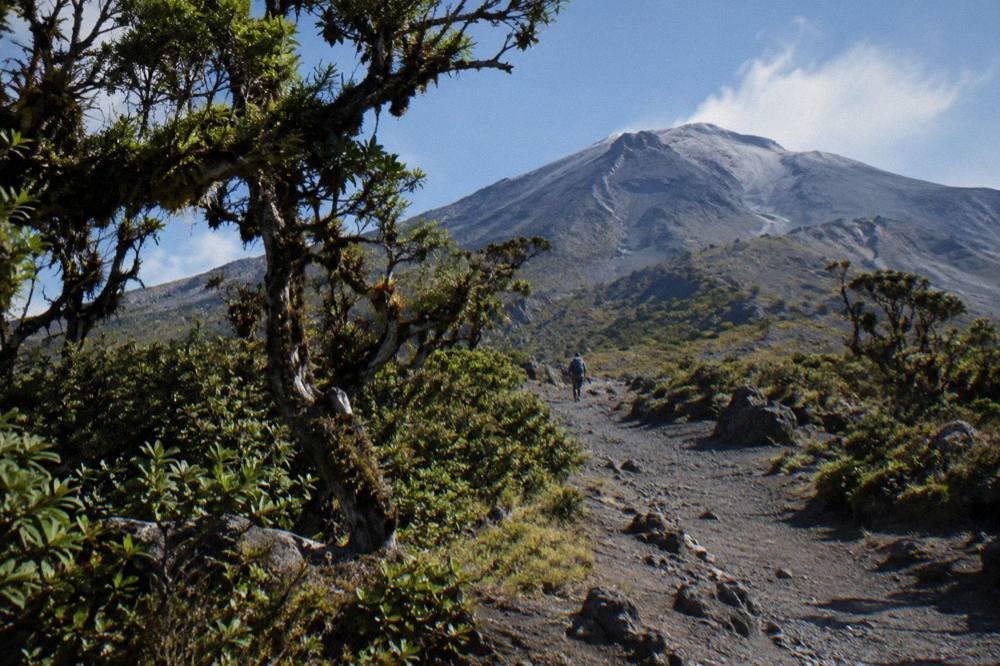
The reopening was reported with the Guayabo reopening in the same announcement, and the terms are worth knowing before you plan a hike: guided only, no independent walking, access tied to live monitoring of the volcano's activity. That is a reasonable trade for walking an active volcano's flanks, but it means you cannot just drive up and wander. Entrance fees are not published here; check the park's official information before you go.
The volcano's name and the town's name are shared, which confuses some first-time visitors searching for places to stay. The town is the service base; the park is up the mountain. Between the two lie dairy farms and coffee plots, which is the next thing the region is known for.
What Is Guayabo National Monument?
Guayabo National Monument is Costa Rica's most significant pre-Columbian archaeological site, with stone structures, aqueducts and roads built between roughly 1000 BC and 1400 AD, and it is recognized as an International Historic Civil Engineering Landmark for that ancient infrastructure. It is the one non-rafting sight in the area with genuine international standing.
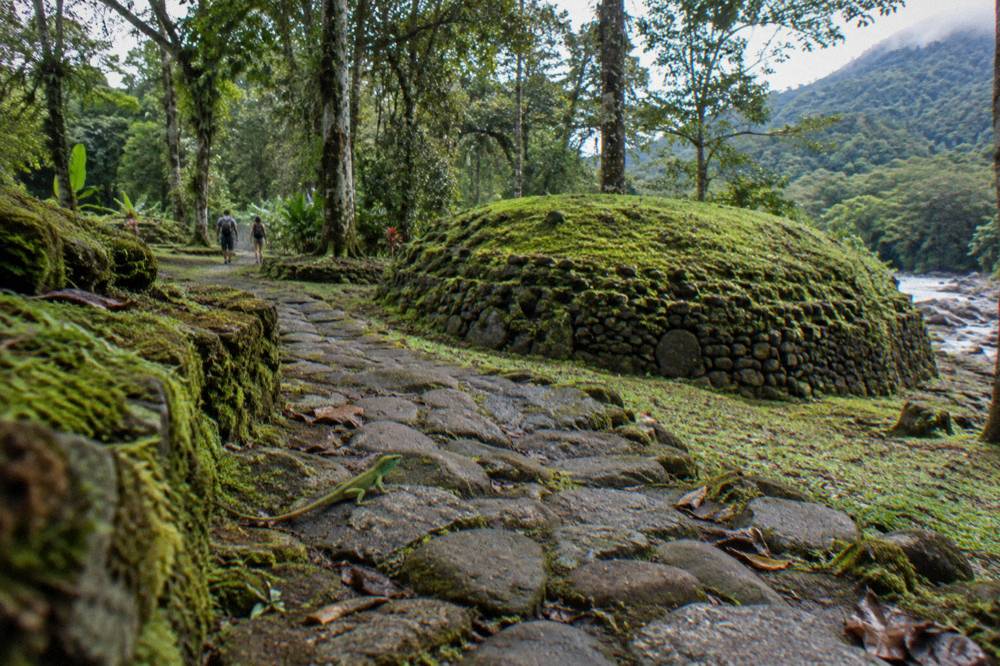
The engineering landmark designation is the detail most guides skip. The pre-Columbian aqueducts and cobblestone roads at Guayabo were built to last, and did, which is why a civil engineering body recognized them alongside modern infrastructure. For a visitor with a free morning before or after a rafting day, Guayabo is the area's most substantial sight, and its reopening alongside the volcano in 2026 restored access to both in one announcement. The reopening was reported in August 2026.
Do not expect Machu Picchu. The site is compact, forested and quiet, excavated in part, with mounds and causeways you read as much as you see. Give it half a day, and pair it with a coffee stop on the way back down.
What Food And Drink Is Turrialba Famous For?
Turrialba is famous for its cheese, first, and its coffee, second: the town gives its name to a style of Costa Rican cheese, hosts the Feria del Queso Santa Cruz cheese festival the first weekend of July, and sits surrounded by coffee plantations including Aquiares, the largest in the country by area. Both exist because of the volcano's soil and the town's altitude.
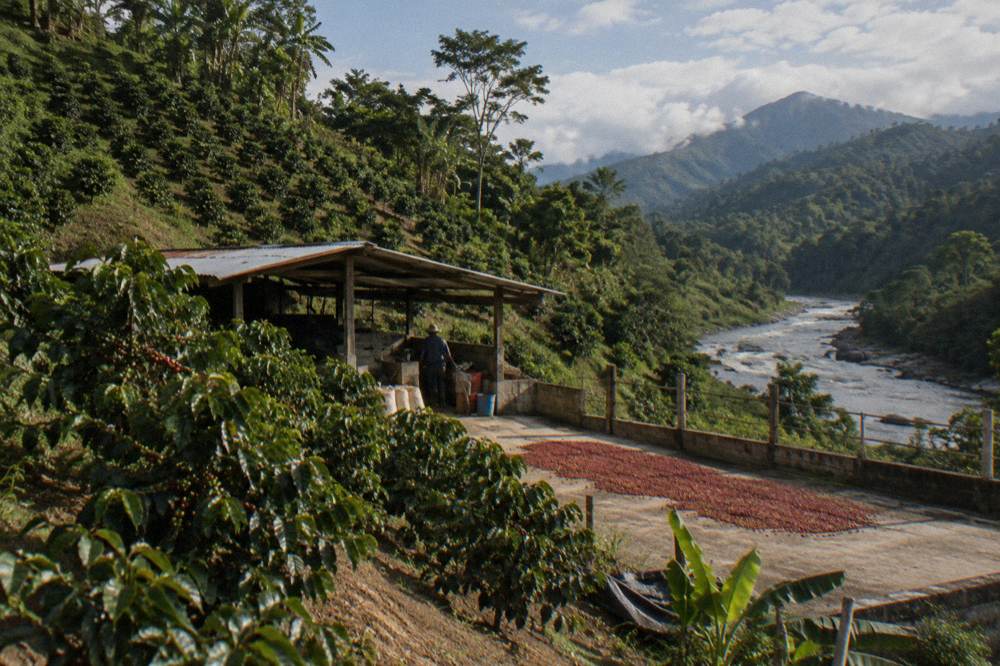
The cheese is the local institution. The July festival in Santa Cruz adds tastings, folk music and traditional oxcart parades. The coffee side runs deeper than most visitors realize: Aquiares plantation, on the volcano's slopes, runs community-driven tours from the village church covering milling, roasting and cupping. A newer addition, the Bría farm-to-table project in Las Nubes de Tuis, works from a house more than 70 years old with an organic garden, its own coffee production, a sourdough bakery and plant-based ice creams in flavors like plantain and sweet potato.
There is a quirkier claim too: Rawlings baseballs are manufactured in the Turrialba area, one of those facts that surprises visitors from baseball-playing countries. Between cheese, coffee, baseballs and whitewater, the town's economy is more varied than its sleepy streets suggest. If you are building a full day around the area rather than just the river, the site's things to do in Turrialba guide covers the options with sources. There is also a free-pay-what-you-want angle worth knowing: the free things near Turrialba guide lists what genuinely costs nothing.
How Do You Get To Turrialba?
Turrialba sits about 62 km from San Jose, and the drive is commonly reported to take between 1h20 and 1h40. Alternatively, direct buses run hourly from San Jose's Terminal Transtusa, covering the route quickly and costing just a few dollars per seat. If you are coming for a rafting departure, the drive time is the number that matters most, because Turrialba trips leave in the morning while San Jose trips leave in the dark to cover the same ground first.
The bus option is genuinely practical for budget travelers: hourly departures mean you can time an arrival the evening before a rafting day, sleep in Turrialba, and be at an operator's base for a local morning departure. Coming from the Caribbean side, note that the Turrialba to Siquirres leg is a separate road with no verified drive time published here, so do not plan that connection tightly. Road work is ongoing in the region: rehabilitation of 12 km of Ruta 230 between Turrialba, Alvarado and Oreamuno began in September 2025 under a ₡3,000 million investment, per the public works ministry. Ruta 32 closures have also diverted truck traffic onto Ruta 10 through Turrialba, adding congestion some days, so build slack into any same-morning drive.
For rafters, the simplest split is this. If you are already in Turrialba, book a Turrialba departure and skip the capital transfer. If you are anchored in San Jose, the San Jose listings bundle the pickup, breakfast and the long drive; the site's San Jose departure guide compares those. The Explornatura trip, 5.0 from 196 reviews from $120 per person, is a strong alternative if the most reviewed trip is full.
When Is The Best Time To Visit Turrialba?
The driest months in Turrialba are February to April and the wettest are October to December, per ERA5 modelled rainfall averages, and operators prefer February to April for first-time rafters and families because the Pacuare runs lower and more predictable then, while the river stays runnable all year. Rain never shuts the season down; it changes the character of the water.
| Period | Turrialba rainfall pattern (ERA5 modelled monthly means) | What it means for a visit |
|---|---|---|
| February to April | Driest stretch, roughly 181 to 198 mm per month | Lower, more predictable river; operators' preference for first timers and families |
| May to August | Building wet season, roughly 303 to 379 mm per month | Higher, faster water; some operators raise minimum ages |
| September to November | Wettest stretch, peaking near 477 mm in November | Biggest water of the year, October to December; experienced rafters' pick, harder conditions |
| December to January | Easing off, roughly 305 to 360 mm per month | Water starts dropping after the October to December peak |
The class math shifts with the water: in rainy season many Class III rapids behave like Class IV, and in dry season the reverse. One Turrialba-area operator grades its run as Class 4 at high water and Class 3+ at low water, which is the honest range for the commercial Lower Pacuare. The full seasonal breakdown, including what it means for beginners, is in the best time to raft the Pacuare.
For a town visit rather than a river day, the calendar adds one more marker: the cheese festival lands the first weekend of July, which is squarely in the greener, wetter half of the year. Combine that with canyoning options near town, which local listings describe as 4 waterfall rappels, 5 zipline cables through rainforest and a 130-foot hanging bridge, and you can build a wet-season itinerary that does not depend on gentle river conditions.
How Does Rafting Fit Into A Turrialba Trip?
Rafting is the reason most visitors come and the activity the town is most known for internationally: six of the site's one-day Pacuare listings depart Turrialba, from $99 to $140 per person, so a two-night stay covers a river day plus the volcano or Guayabo. The river and the town feed each other, and the strongest itineraries use both.
A realistic shape: arrive from San Jose by afternoon bus or drive, overnight in Turrialba, raft the Pacuare the next day on a Turrialba departure with lunch on the operator, then spend the following morning at Guayabo or a coffee plantation before moving on. The 2-day and 3-day lodge trips run longer, from $269 to $505 per person depending on the listing, with overnights at Pacuare River Lodge or Avesol Lodge on the multi-day rosters, and three of them set longer cancellation windows than the standard 24-hour rule.
If a full second river day sounds better than a half day of ruins, the family-run Ticos River Adventures also runs a shared Class III-IV day trip from Turrialba, 4.9 from 27 reviews, from $119 per person, four hours, with a deli-style lunch, transport from Turrialba, a certified guide and a safety kayak included. It is a different product from the company's private listing, so read both before choosing.
Whatever you pick, book the river day first and build around it. The town's other attractions are flexible; the rafting departures are not, and the operators this site lists run on real schedules with real capacity limits, from 18 to 60 guests depending on the listing. This article is part of Pacuare Costa Rica Rafting, the site that compares bookable Pacuare trips on one roster.
Common Questions About Turrialba
What Is Turrialba, Costa Rica Known For?
Turrialba is known as the departure base for Pacuare River Class III-IV day trips, and for its active volcano, the Guayabo archaeological site, Turrialba cheese and large coffee plantations such as Aquiares.
Is Turrialba Worth Visiting Besides Rafting?
Yes. Guayabo National Monument, coffee plantation tours, the July cheese festival and the reopened volcano park give the town two or three days of non-rafting activity.
How Far Is Turrialba From San Jose?
About 62 km, commonly reported as a 1h20 to 1h40 drive, with direct hourly buses from Terminal Transtusa covering the route faster than you might expect.
What Is The Cheapest Pacuare Rafting Trip From Turrialba?
On this site's roster it is Rafting Pacuare River One Day from Turrialba, from $99 per person, 5.0 from 385 reviews, with lunch included.
When Is The Best Month To Visit Turrialba?
February to April is driest and the river runs lower and more predictable, which operators prefer for first timers. October to December brings the highest water. The river runs all year.