Things To Do In Turrialba Costa Rica Besides Rafting
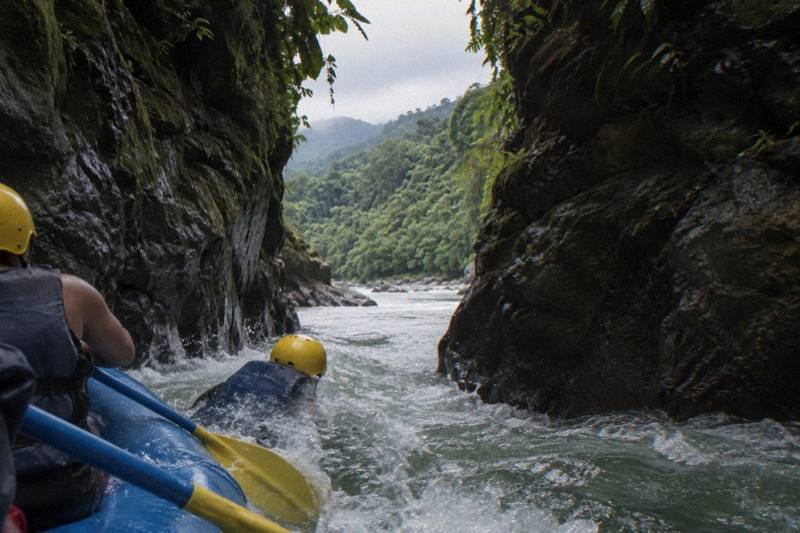
Turrialba is the rafting capital of the Pacuare corridor, and most visitors arrive for the river and leave the same day. That is a mistake worth correcting: the town sits in one of Costa Rica's most loaded adventure valleys, with an active volcano, the country's most significant pre-Columbian archaeological site, coffee plantations, a famous cheese tradition, and canyoning waterfalls, all within a short drive of the river put-ins.
Short answer
Turrialba sits about 62 km east of San Jose, a 1h20 to 1h40 drive, and serves as the departure base for six of the roster's Pacuare day trips, from $99 per person on the most reviewed listing. Beyond rafting, the area offers guided volcano hikes, the Guayabo National Monument, coffee plantation tours, a July cheese festival, and canyoning with waterfall rappels. Plan two or three days.
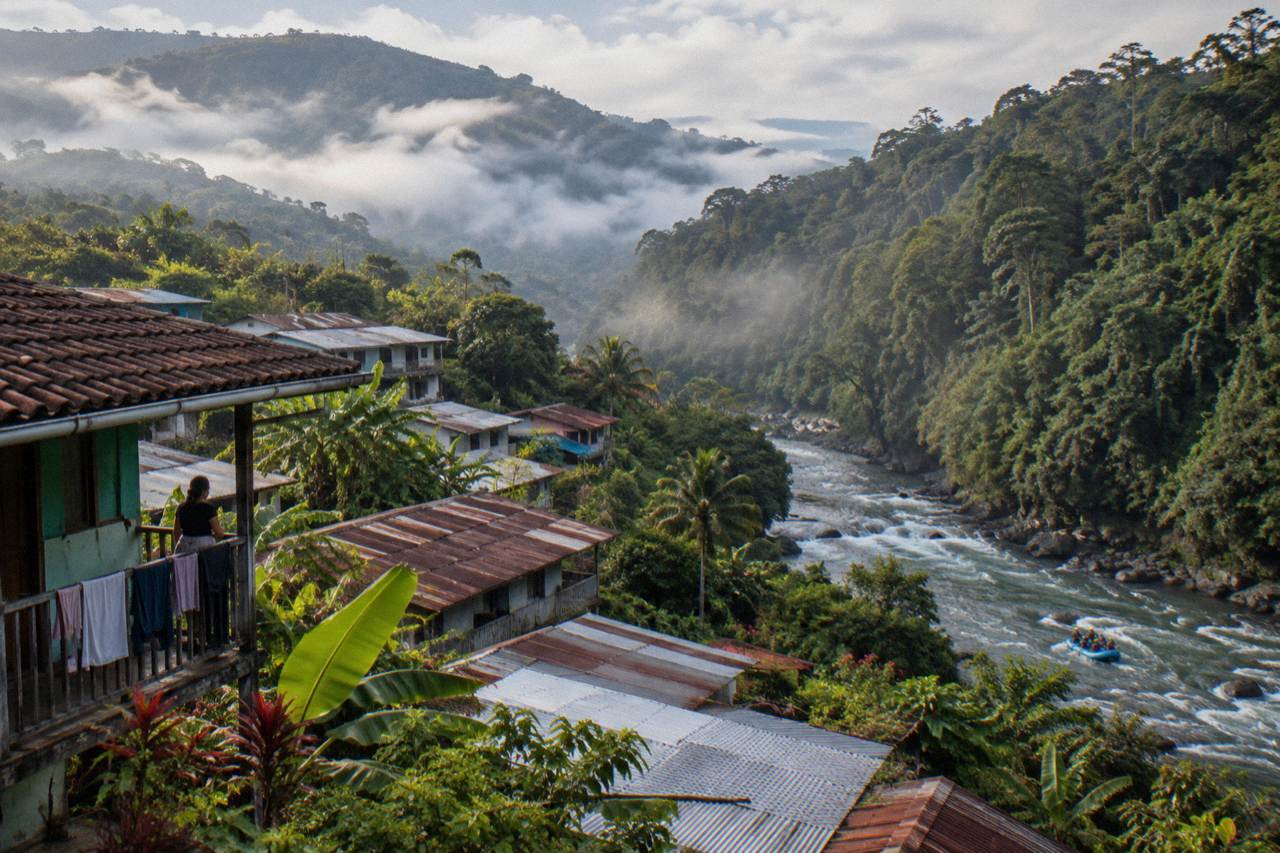
Turrialba wakes up to the smell of coffee and the sight of a volcano that only recently opened its trails again. The town, with a district population of 25,334 in the 2022 INEC estimate, sits at about 648 m elevation on the Caribbean slope of the Cordillera Central, close enough to San Jose for an early pickup and far enough that the cloud forest starts at the edge of the streets. It is also the practical base for the Pacuare: six of the day trips on this site's roster depart from Turrialba or its operator bases, including the most reviewed of all, Rafting Pacuare River One Day from Turrialba, 5.0 from 385 reviews, from $99 per person. This guide covers what the area offers when you are not on the water, and how to bolt a rafting day onto it.
The site behind this guide, Pacuare Costa Rica Rafting, exists because the river is the reason most people come here. But the valley rewards an extra night or two, and the drive from the capital is short enough that a two-night stay with one river day and one sightseeing day is an easy itinerary. Details below, including the season logic, transport options, and which rafting trips fit which plans.
Why Do Rafters Base Themselves In Turrialba?
Turrialba is the closest sizeable town to the Pacuare put-in area, roughly a 1h20 to 1h40 drive from San Jose, which lets rafters start later, finish earlier, and skip the 5:40 to 6:30 a.m. hotel pickups that San Jose departures require. Operators including Adrenalina Rafting Turrialba, Explornatura, Ticos River Adventures and Turrialtours all run day trips from town. The most reviewed listing on this site's entire roster, 5.0 from 385 reviews, departs Turrialba.
The economics are simple. A San Jose departure means the listing's total duration balloons to 9, 10, 11 or even 12 hours because of the round-trip transfer. The Turrialba equivalents run 4 to 8 hours total, since the operator base is a short drive from the river. Rafting Pacuare River One Day from Turrialba lists a 6-hour total, from $99 per person, with a typical Costa Rican lunch at the end of the trip included and free cancellation listed.
Town is also where the valley's other attractions cluster. Turrialba Volcano National Park, the Guayabo National Monument, the Aquiares coffee plantation and several canyoning operators all sit within reach of town, which means one hotel booking covers several days of very different activities. Visitors who treat the town as a mere pass-through miss the reason the area has a tourism identity at all.
For anyone weighing the two departure options in detail, the guide to Pacuare rafting from San Jose breaks down every listing that leaves the capital, and the one-day Pacuare trip planner covers what a river day actually involves, start to finish.
What Can You Do In Turrialba On A Non-Rafting Day?
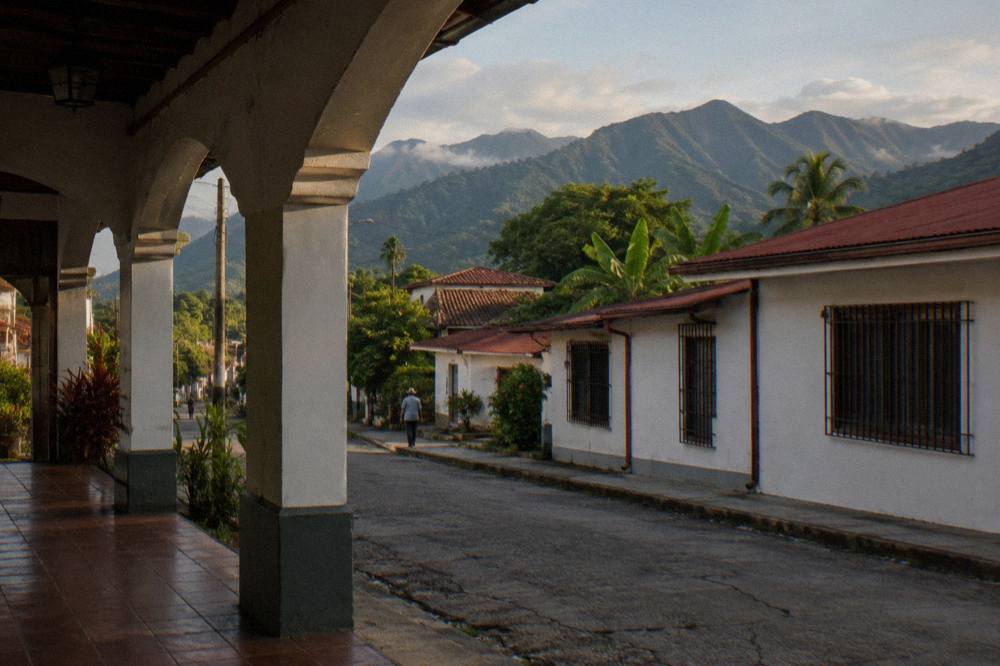
Turrialba's non-river attractions are an active volcano reopened to guided hikes, the Guayabo National Monument, Costa Rica's largest coffee plantation by area at Aquiares, a canyoning scene with waterfall rappels and ziplines, and a well-known cheese tradition centered on the annual July festival. Each is a half-day or full-day activity on its own. For the bigger picture of how this quiet farming town became a rafting hub, the full guide to what Turrialba is known for is a good next read.
The headline change: Turrialba Volcano National Park reopened to visitors in 2026 after prior closures, with mandatory guided hikes only and real-time activity monitoring by park staff, as reported by the Tico Times. The guided-only rule means you book through a licensed operator rather than walking in.
Guayabo National Monument is the quieter gem. It is Costa Rica's most significant pre-Columbian archaeological site, with stone structures, aqueducts and roads dating from roughly 1000 BC to 1400 AD, and it holds recognition as an International Historic Civil Engineering Landmark. The site is a mounded, forest-wrapped ruin with excavated causeways, and it pairs naturally with a morning on the river or a coffee afternoon.
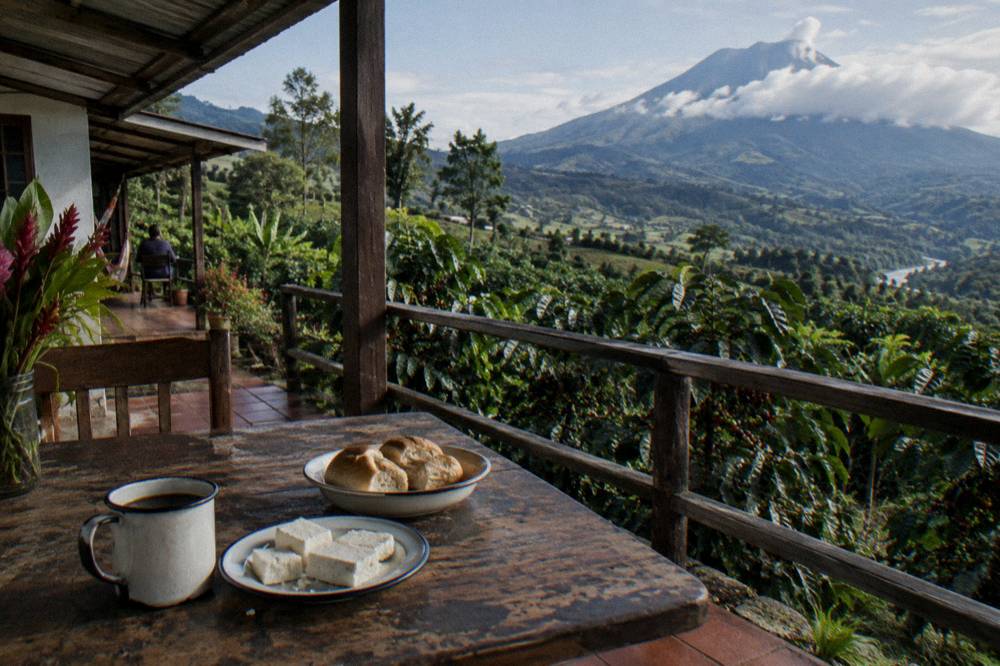
Coffee and cheese round out the valley's identity. Aquiares Coffee Plantation, the country's largest by area on the volcano's slopes, runs community-driven tours that start at the village church and cover milling, roasting and cupping, per Costa Rica Vibes. The Turrialba Cheese Festival, held the first weekend of July in Santa Cruz, brings tastings, folk music and oxcart parades. The area also has an unexpected industrial footnote: Rawlings baseballs are manufactured there.
For adrenaline outside the raft, canyoning tours near Turrialba include 4 waterfall rappels, 5 zipline cables through rainforest and a 130-foot hanging bridge. One caution from the roster side of this site: no rafting plus zipline or canyoning combo exists on the Pacuare itself, so book canyoning as its own activity. The free things to do near Turrialba guide covers the zero-cost side of town, markets and viewpoints included.
| Activity | What it involves | Notes |
|---|---|---|
| Turrialba Volcano hike | Guided-only trails on an active volcano | Reopened 2026 with mandatory guides and staff monitoring |
| Guayabo National Monument | Pre-Columbian stone structures, aqueducts, roads | Costa Rica's most significant archaeological site |
| Aquiares Coffee Plantation | Milling, roasting and cupping tour from the village church | Largest plantation in the country by area |
| Canyoning | 4 waterfall rappels, 5 ziplines, 130-ft hanging bridge | Separate booking from any rafting trip |
| Cheese Festival (July) | Tastings, folk music, oxcart parades | First weekend of July, Santa Cruz |
If a rafting day is also on the list, these three Turrialba departures are the ones most visitors compare:
How Do You Get To Turrialba From San Jose?
The drive from San Jose to Turrialba covers about 62 km and takes roughly 1h20 to 1h40, a time commonly reported from road-mapping services. Direct Transtusa buses run hourly from the Terminal Transtusa in San Jose, costing roughly $3 to $4, per route-planning summaries. The choice is rental car, private transfer, bus, or a rafting listing that already includes transport.
The bus is the budget answer and a surprisingly comfortable one. Hourly departures mean you can leave the capital mid-morning, and check into a Turrialba hotel by lunch.
Driving yourself adds flexibility for the volcano, Guayabo and Aquiares, which are spread across the district. Two road facts matter. First, rehabilitation of 12 km of Ruta 230, the Turrialba to Alvarado to Oreamuno section, began in September 2025 with a roughly three-billion-colon investment in resurfacing, drainage and markings, per the public works ministry, so expect work zones. Second, when Ruta 32 closes for weather or maintenance, heavy truck traffic diverts onto Ruta 10 through Turrialba, which local reporting says has caused congestion.
If all of this sounds like a reason to let someone else drive, that is exactly what the San Jose departure listings do: they collect you at your hotel, transfer you to the river corridor, and return you in the evening. The trade-off is duration, 9 to 12 hours total against 4 to 8 for the Turrialba departures.
When Is The Best Time Of Year To Visit Turrialba?
February to April is the driest window in the Turrialba area, with ERA5 modelled monthly rainfall averages of 181 to 198 mm, against 412 to 477 mm in October and November, and operators describe this stretch as their preference for first-timers and families. The Pacuare is runnable all year, with the highest water October to December and the lowest March to April.
The rainfall picture comes from ERA5 modelled averages for a Turrialba grid point, cross-checked qualitatively against station records: both agree that February to April is driest and October to December is wettest. What that means for planning is that the dry months give you the best odds for a volcano hike with a view and dry trails at Guayabo, while the wet months make everything greener, the river bigger, and the afternoons less predictable.
The river follows the same calendar. Operators report higher, faster water in the wetter months and lower, gentler water from February to April, and the standard commercial run is graded Class IV at high water and Class 3+ at low by at least one major operator. Some operators raise the minimum age from 12 to 14 between June and November precisely because of this. The full calendar logic, month by month, sits in the best time to raft the Pacuare guide.
One pairing note for July travelers: the Cheese Festival lands the first weekend of July, which is inside the higher-water half of the year. A July trip can combine the festival weekend with a rafting day, with the understanding that the river will likely be running bigger than it does in March.
| Period | Rainfall (ERA5 modelled, Turrialba) | River character operators describe | Best for |
|---|---|---|---|
| Feb to Apr | 181 to 198 mm monthly | Lowest water, gentler rapids | First-time rafters, volcano hikes, families |
| May to Aug | 303 to 379 mm monthly | Rising, faster water | Bigger-water paddling, greener forest |
| Sep to Nov | 280 to 477 mm monthly | Highest water Oct to Dec | Experienced rafters seeking volume |
| Dec to Jan | 305 to 360 mm monthly | Water easing from the peak | Mixed itineraries, festival-free quiet |
How Do You Pair Turrialba Sights With A Pacuare Rafting Day?
The cleanest pairing is two nights in Turrialba: raft on day one from a Turrialba departure, then spend day two on the volcano hike, Guayabo or a coffee tour with legs that are only pleasantly tired. One-night versions work too, with a non-rafting activity the afternoon you arrive and the river the next morning. Reverse the order if the forecast favors an early hike.
The reason the pairing works is timing. Turrialba rafting departures run 4 to 8 hours total, so a morning launch still leaves daylight for a late Guayabo visit or a coffee-farm cupping session in the afternoon. The San Jose day trips, at 9 to 12 hours, cannot promise that, which is why basing in town is the structurally better plan for a combined itinerary.
Pick the rafting day to match your appetite. The Class IV Turrialba departure, Pacuare River Rafting Class IV from Turrialba, from $125 per person, 8 hours total, up to 18 guests, suits confident paddlers, while beginners are better matched to the shared day trips described in the Class III and IV rapids explained guide. Check the listing for minimum ages, since several Turrialba departures leave the age question to the operator, and the national norm allows Class I to IV from age 12.
A sample three-day plan, using real roster times: arrive from San Jose on day one and do a coffee tour or the town itself; raft on day two, from $99 per person on the most reviewed Turrialba listing, lunch included; hike the volcano or Guayabo on day three before the drive back. Add a fourth day for canyoning if the legs allow.
| Day | Morning | Afternoon | Evenings in Turrialba |
|---|---|---|---|
| Day 1 | Bus or drive from San Jose | Aquiares coffee tour or town walk | Early night |
| Day 2 | Pacuare rafting departure, 4 to 8 hrs total | Post-raft lunch is included on most listings | Rest |
| Day 3 | Guayabo National Monument | Volcano viewpoint drive or return to San Jose | Travel |
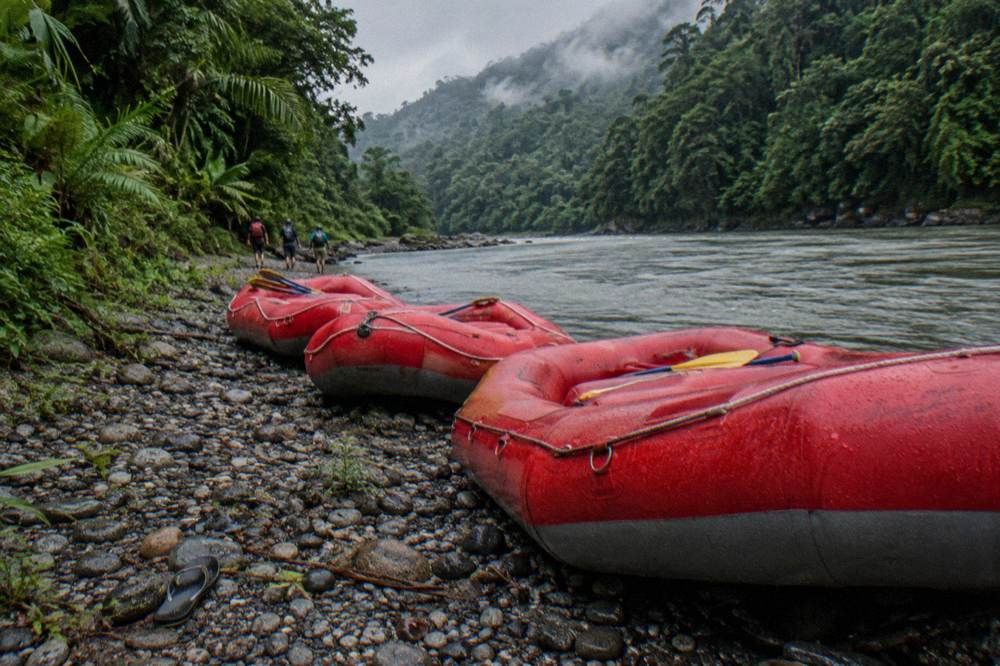
For travelers arriving from the Caribbean side instead of the capital, there are also Puerto Viejo departures on the roster, and the Puerto Viejo and Caribbean coast rafting guide covers those, including White Water Rafting Pacuare River with Lunch From Puerto Viejo, 4.8 from 62 reviews, from $147 per person, with hotel pickup listed and a minimum age of 12 on the listing. Back in Turrialba, Turrialtours' 8-hour Class IV run is the harder-water option, from $125 per person.
Where Do You Stay And Eat Around Turrialba?
Turrialba has enough hotels, cabins and farm stays to cover everything from budget dorms to volcano-view lodges, plus a farm-to-table scene that includes the Bría project in Las Nubes de Tuis, which operates from a house more than 70 years old with an organic garden, its own coffee, a sourdough bakery and plant-based ice creams.
The food angle is genuinely local here rather than tourist-generic. The Bría farm-to-table project, covered by La Republica, sits in the Tuis valley outside town and is the kind of stop that fills an afternoon on its own. In town, the cheese tradition means the markets and sodas carry a local product with real provenance, and the July festival is the peak expression of it.
Lodging strategy follows your rafting departure. If you are taking a Turrialba-based trip, any hotel in town works, and several listings include or offer transfer from town. The Rafting Pacuare River from Turrialba listing, 5.0 from 196 reviews, from $120 per person, includes transfer from Turrialba in its listed inclusions, along with lunch, taxes and a professional guide. If you are taking a San Jose or Caribbean departure, staying near your pickup point matters more than staying in Turrialba itself.
For multi-day river plans, the lodging question answers itself: you sleep at a river lodge. The roster carries five multi-day trips, and the two-day Pacuare overnight guide details them, including the Exploradores Outdoors two-day trip from $269 per person with a night at Pacuare River Lodge, hotel pickup listed from San Jose, Puerto Viejo or La Fortuna, and meals included. It lists free cancellation up to 24 hours before.
What Should A Turrialba Visit Cost To Plan For?
Plan around the rafting price as the anchor: Turrialba day trips run from $99 to $140 per person on this site's roster, San Jose departures from $112 to $195, and two-day lodge trips from $269 to $397, with the three-day expedition from $505. Bus transport from San Jose runs roughly $3 to $4 each way. Entrance fees for the volcano, Guayabo and coffee tours vary, so check each operator or park page directly.
The rafting line is the one figure set you can pin down precisely, because every listing on the roster carries a firm price. Within Turrialba departures, the spread from $99 to $140 reflects duration, operator and inclusions rather than quality: the most reviewed trip in town is also the cheapest, and the dearest, Rafting Pacuare Costa Rica at from $140 per person, 4.9 from 46 reviews, runs through Travesias Naturales with lunch and private transport included.
Everything beyond rafting is a planning range. Protected-area entrance fees, tour operator prices for canyoning and coffee tours, and hotel rates move with season, so the honest advice is to budget the river day firmly and leave flex in the rest. Gratuities are excluded on several rafting listings, and souvenir photos are sold separately on many of them, both of which are worth a line in your budget.
| Item | Planning figure | Source |
|---|---|---|
| Turrialba rafting day | From $99 to $140 per person | Roster listings |
| San Jose rafting day | From $112 to $195 per person | Roster listings |
| Two-day lodge trip | From $269 to $397 per person | Roster listings |
| Three-day expedition | From $505 per person | Roster listing |
| San Jose to Turrialba bus | Roughly $3 to $4, hourly service | Route-planning summaries |
| Volcano, Guayabo, coffee, canyoning | Check the operator or park page | Operator or park page |
Is Turrialba Worth Extra Days If You Came Only For The River?
For most visitors, yes: the combination of an active volcano with guided hikes, the country's foremost archaeological site, its largest coffee plantation, a July cheese festival and canyoning waterfalls is unusual for a town this size, and the short transfer times from Turrialba rafting bases mean none of it competes with your river day. Budget travelers get the bus and free town sights; activity seekers get a full second day.
The honest counter-case is schedule. If your Costa Rica itinerary is a tight circuit of Arenal, Manuel Antonio and the coast, and the Pacuare is a one-day insert, the San Jose departures with hotel pickup listed do that job without an overnight. Two listings on the roster, the 4.7-rated White Water Rafting Pacuare River From San Jose from $125 per person and the 4.7-rated From San Jose Class 3 and 4 day trip, also from $125 per person, both list hotel pickup, breakfast and lunch, and free cancellation.
But the valley is one of the few places in the country where a volcano, a ruin, a plantation and a world-class rafting river sit within a short drive of each other, and the food scene is real rather than assembled for visitors. The Arenal-side alternative, covered in the La Fortuna and Arenal rafting guide, offers its own roster departure, La Fortuna: Pacuare Rafting with SJO or Puerto Viejo Shuttle, 5 from 20 reviews, from $150 per person, but Arenal is about 3h30 from Turrialba, so the two are substitutes, not a same-day combo.
For first-time Costa Rica travelers assembling a whole trip rather than a single stop, the first-time adventure trip planner walks through how a Turrialba block fits alongside the rest of a circuit, and the trips compared overview of every Pacuare trip puts all 21 listings side by side.

Common Questions About Things To Do In Turrialba
What Is Turrialba Costa Rica Known For?
Turrialba is known as a rafting base for the Pacuare River, for its active volcano, for the Guayabo National Monument, for coffee grown on Aquiares, the country's largest plantation by area, and for its cheese, celebrated each July at the Feria del Queso in Santa Cruz. Rawlings baseballs are also manufactured in the area.
Can You Visit Turrialba Volcano?
Yes, with conditions. The national park reopened to visitors in 2026 after prior closures, and hikes are mandatory-guided only, with park staff monitoring volcanic activity in real time. Book through a licensed tour operator rather than planning an independent walk-in.
How Far Is Turrialba From San Jose?
About 62 km by road, commonly reported as a 1h20 to 1h40 drive. Direct Transtusa buses run hourly from San Jose for roughly $3 to $4.
How Many Days Do You Need In Turrialba?
Two to three days covers a Pacuare rafting day plus one or two of the area's other activities, such as the volcano hike, Guayabo or a coffee tour. One day works if rafting is the sole goal, and a Turrialba rafting departure runs 4 to 8 hours total.
What Does A Pacuare Rafting Day From Turrialba Cost?
From $99 to $140 per person across the six Turrialba departures on this site's roster. The most reviewed, Rafting Pacuare River One Day from Turrialba, is 5.0 from 385 reviews at from $99 per person, with lunch and free cancellation listed.
Is There A Rafting And Zipline Combo In Turrialba?
Canyoning tours near Turrialba include waterfall rappels and ziplines, but no rafting plus zipline or canyoning combo exists on the Pacuare River itself. Book canyoning as its own activity alongside your rafting day.