Pacuare Vs Arenal Balsa Rafting: Honest Comparison
Many La Fortuna visitors weigh a short Balsa float against the long drive to the Pacuare gorge. Here is what actually differs, rapid by rapid and hour by hour.
Short answer
The Balsa River near La Fortuna runs Class II-III over roughly 10 km in about 2 hours on the water, aimed at families and first timers. The Pacuare runs Class III-IV through a roadless gorge, from $99 per person from Turrialba, and takes a full day. One is a warm-up, the other is the main event.
Most people searching for Arenal rafting are standing in La Fortuna with two very different rivers on the menu. The Balsa sits close to town, runs gentle Class II-III water and sells itself as family friendly. The Pacuare sits on the Caribbean slope, a drive of about 3h30 from La Fortuna to Turrialba by commonly reported figures, and runs a Class III-IV gorge that travel guides describe as the flagship jungle-canyon run in the country. This site sells Pacuare trips, and the two rivers are not interchangeable.
The short version: the Balsa is a half-day warm-up with about 2 hours on the water over roughly 10 km. The Pacuare Lower run is the thing you remember for years. If you are already planning a La Fortuna stop and want the Pacuare Costa Rica Rafting experience anyway, there is even a listing that connects the two, rafting the Pacuare with a shuttle that drops you in La Fortuna or San Jose afterward. More on that below.
Which River Should You Choose For Arenal Rafting?
If your priority is minimum logistics and children under 12, the Balsa near La Fortuna is the practical pick: comparison sources describe commercial runs as Class II-III, about 10 km and 2 hours on the water, with minimum ages often 6 to 8. If your priority is the best whitewater day reachable from Arenal, the Pacuare wins on every measure that matters: bigger rapids, a roadless gorge and a full expedition feel, from $99 per person out of Turrialba.
The honest framing is that these are not rivals, they are different products. One Costa Rica river guide summarizes the national map neatly: the Caribbean slope holds the Pacuare, Reventazon and Sarapiqui, the Pacific side holds Savegre and Naranjo, and the Arenal area holds the Balsa, with the Pacuare standing out as the long jungle-canyon run among them. The Balsa exists so that families in La Fortuna can get wet without a big drive. The Pacuare exists for people who want a real gorge.
That matters because plenty of La Fortuna itineraries treat rafting as one slot among many, between hot springs and a volcano hike. If that is you, the Balsa fits the slot. But if whitewater is a headline reason for the trip, the 3h30 transfer each way is the price of admission to something the Balsa cannot offer.
For the deeper look at that specific decision, see our guide to Pacuare rafting from La Fortuna, which works through the shuttle options in detail.
How Do The Rapids Actually Compare?
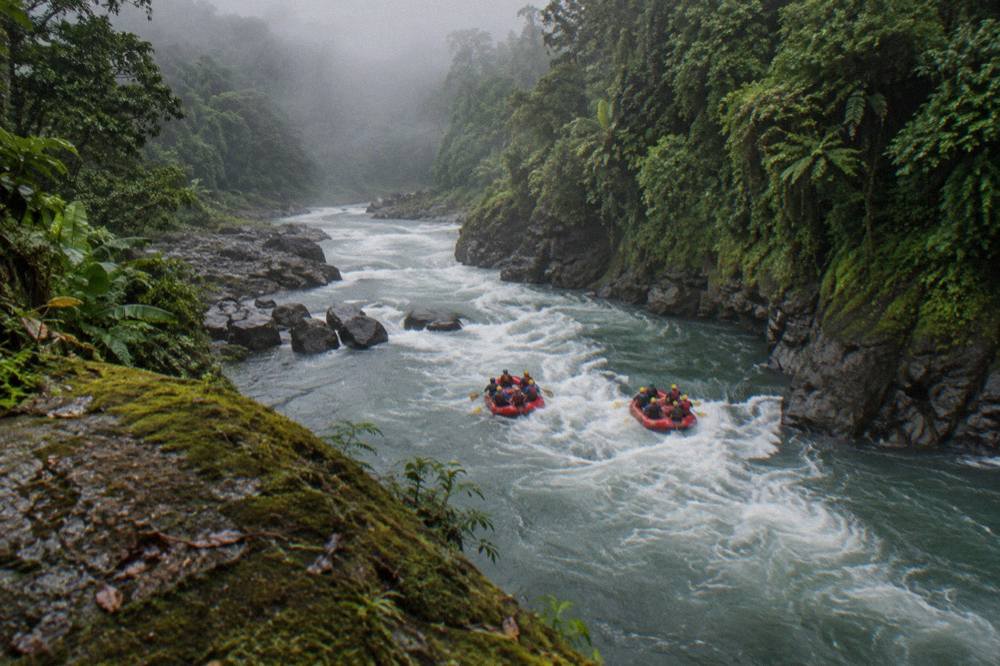
The Balsa's commercial sections run Class II-III, with upper stretches reaching Class III-IV, which outfitters market as splashy but forgiving. The Pacuare's standard commercial day runs Class III-IV, and one operator grades its own run as Class 4 at high water and Class 3+ at low water. In rainy season many Class III rapids step up to Class IV; in dry season the reverse happens.
Class numbers hide the bigger difference: the water between the rapids. The Pacuare gorge has no road access along most of the run, with waterfalls, the Huacas among them, dropping roughly 150 feet directly into the river channel, and the standard day covering the famous gorge stretch. Comparison sources put typical commercial Pacuare days at 26 to 30 km with dozens of rapids and around 5 hours of river time on the fullest itineraries.
The Pacuare's named rapids include Huacas, Pele el Ojo and Cimarrones. The two rivers serve different appetites, and if you have never rafted before, our piece on Class III-IV Pacuare rapids explains what those grades feel like in practice.
| Feature | Balsa River (Arenal) | Pacuare River (Turrialba/Siquirres) |
|---|---|---|
| Typical commercial class | Class II-III, upper sections III-IV | Class III-IV, graded 4 at high water by one operator |
| Typical water time | About 2 hours on the water | Roughly 3 to 5 hours depending on operator and water level |
| Typical distance | About 10 km | 26 to 30 km per operator and comparison sources |
| Setting | Near La Fortuna | Roadless gorge with waterfalls into the channel |
| Named rapids | Not covered here | Huacas, Cimarrones and others |
| Best for | Families, short itineraries, under-12s | Whitewater as a trip highlight |
For a fuller rundown of how the national grading system works, including the legal age floors for each class, see what class rapids are in Costa Rica.
What Does Each Trip Cost From Your Wallet?
This site sells no Balsa trips and prints no Balsa prices. On the Pacuare side every figure is firm from the roster: the cheapest day trip is the most reviewed Turrialba departure at from $99 per person, San Jose day trips run from $112 to $195, and the Caribbean and La Fortuna options sit between $112 and $150. Multi-day Pacuare lodge trips start at from $269 per person.
The price gap between the two rivers, whatever the Balsa's number turns out to be on its own listing, is rarely the deciding factor. The real cost of choosing the Pacuare from La Fortuna is time: roughly 3h30 each way from La Fortuna to Turrialba by commonly reported drive times, which is why the La Fortuna pickup listings matter, including the clever option, a trip that rafts the Pacuare and then shuttles you onward to La Fortuna or San Jose airport so the drive becomes part of the route rather than a round trip.
Here is how the Pacuare day-trip price ladder looks by departure town, using only the firm roster figures:
| Departure town | Listing (card name) | Price | Rating and reviews |
|---|---|---|---|
| Turrialba | Rafting Pacuare River One Day from Turrialba | From $99 per person | 5.0 from 385 reviews |
| Turrialba | Pacuare River Rafting | From $119 per person | 4.9 from 27 reviews |
| Turrialba | Rafting Pacuare River from Turrialba | From $120 per person | 5.0 from 196 reviews |
| San Jose | Pacuare River Whitewater Rafting from San Jose | From $119 per person | 4.6 from 70 reviews |
| San Jose | White Water Rafting Pacuare River From San José | From $125 per person | 4.7 from 250 reviews |
| Puerto Viejo | White Water Rafting Pacuare River with Lunch From Puerto Viejo | From $147 per person | 4.8 from 62 reviews |
| La Fortuna | La Fortuna: Pacuare Rafting with SJO or Puerto Viejo Shuttle | From $150 per person | 5.0 from 20 reviews |
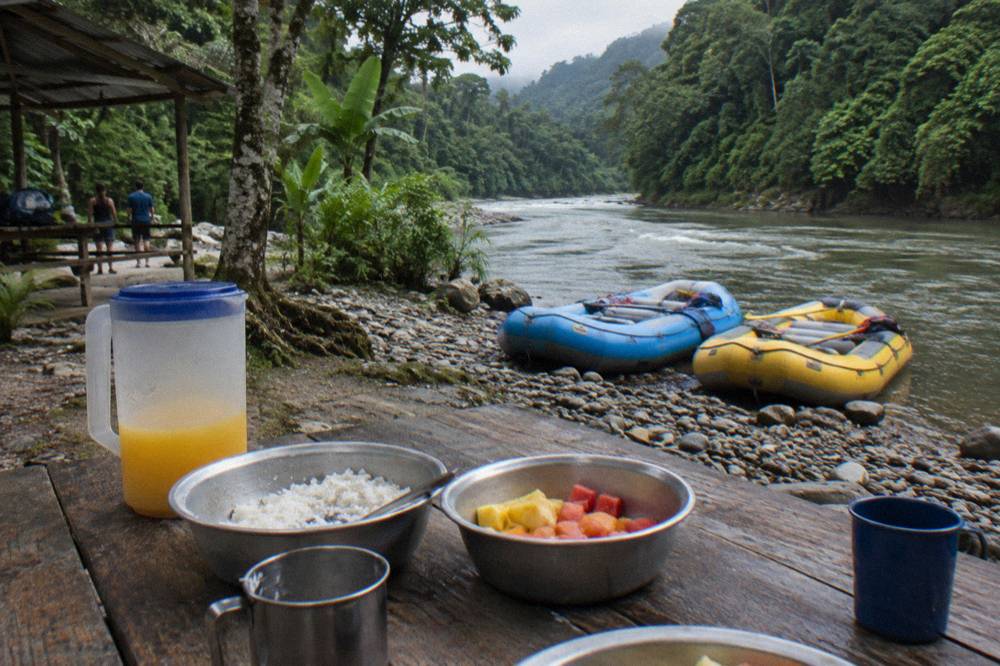
The most reviewed listing on this site, Rafting Pacuare River One Day from Turrialba, carries a 5.0 rating from 385 reviews at from $99 per person, 6 hours total with lunch included and a typical Costa Rican meal at the end of the trip. It is the value benchmark every other Pacuare option should be measured against, and it is the one we would point a first-time rafter toward. The San Jose alternative, From San Jose: Pacuare River Class 3 & 4 Rafting Day Trip, runs from $125 per person with a 4.7 rating from 291 reviews and hotel pickup listed. If you're based in Turrialba and curious how the region's other river stacks up, our guide to choosing between the Pacuare and Reventazon rivers compares rapids, scenery and trip style side by side. Before you pick a departure town, our plain-English guide to how hard Pacuare white water rafting really is explains what the rapid classes mean and what a first-timer should expect.

For a deeper dive into every price on the roster, including the multi-day options, see how much Pacuare River rafting costs.
How Much Time Does Each Trip Take Out Of Your Day?
A Balsa half-day typically means about 2 hours on the water plus short transfers from La Fortuna, so a morning or afternoon. A Pacuare day trip is a full day: San Jose departures list 9 to 12 hours total, the Turrialba departures list 4 to 8 hours, and the La Fortuna shuttle option lists 10 hours. Duration figures are the listings' own totals, not time on the water.
The time question is where the Balsa genuinely competes. If your La Fortuna days are already packed with volcano hikes, hot springs and canopy tours, a short river float preserves the rest of the schedule. The Pacuare consumes a day, and from La Fortuna it consumes a day plus a long transfer unless you use the shuttle listing, in which case the trip doubles as your transport between destinations. One operator's published San Jose itinerary illustrates the rhythm of a Pacuare day: hotel pickups 6:00 to 6:30 a.m., breakfast at the river center, a 45-minute safety talk and paddle practice, roughly three hours of descent, then showers, lunch and a return around 5:30 p.m.
| Listing duration (roster totals) | Example listing | Departure town |
|---|---|---|
| 4 hours | Pacuare River | Turrialba |
| 6 hours | Rafting Pacuare River One Day from Turrialba | Turrialba |
| 9 hours | From San José: Pacuare River Class 3 & 4 Rafting Day Trip | San Jose |
| 10 hours | White Water Rafting Pacuare River From San José | San Jose |
| 10 hours | La Fortuna: Pacuare Rafting with SJO or Puerto Viejo Shuttle | La Fortuna |
| 7 hours 30 minutes | White Water Rafting Pacuare River with Lunch From Puerto Viejo | Puerto Viejo |
The White Water Rafting Pacuare River From San Jose listing in the table above shows a 10-hour day at from $125 per person, 4.7 from 250 reviews, with breakfast and lunch included and free cancellation listed. For Arenal-based travelers the equivalent logic applies: you either spend a day getting to the river, or you let the river reposition you. There is no third option that shortens the geography.
Which River Is More Remote And Scenic?
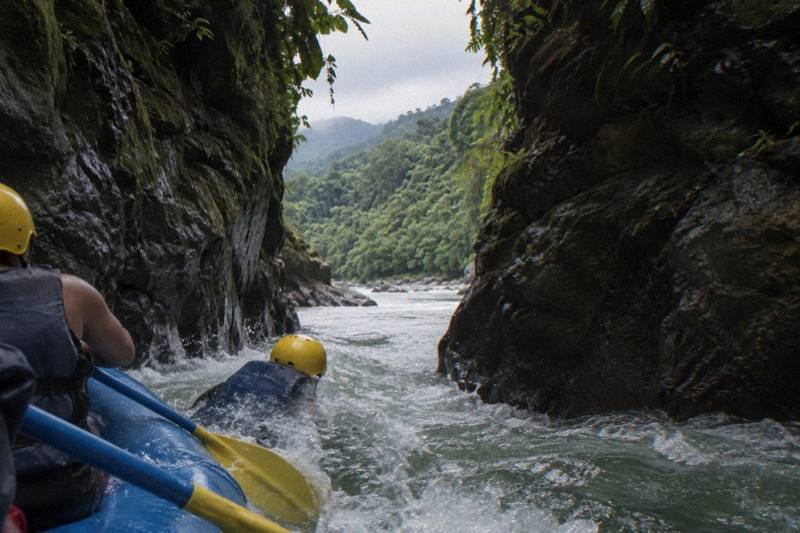
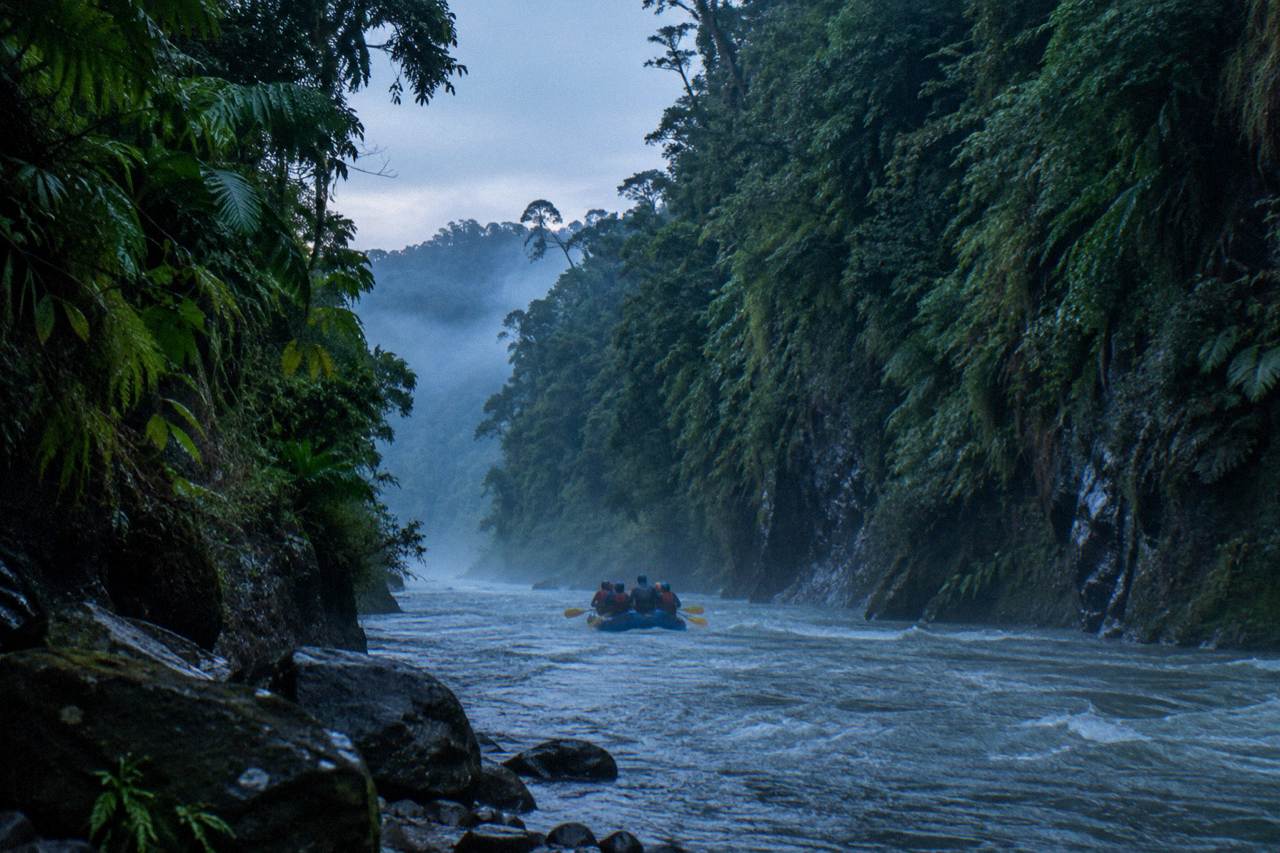
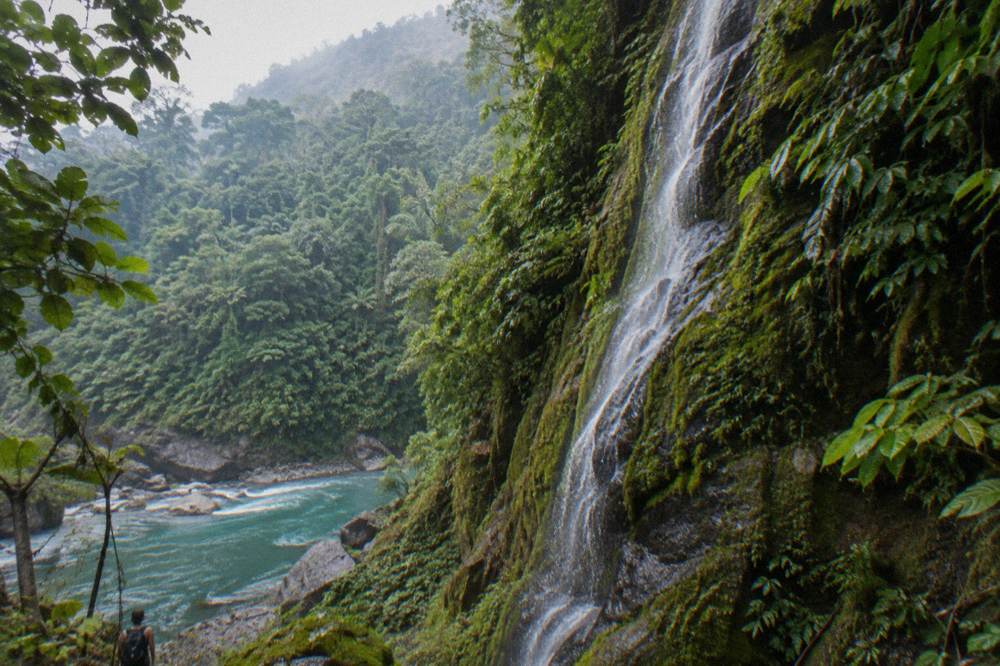
The Balsa runs close to La Fortuna. The Pacuare runs through a protected forest reserve in a gorge where most of the commercial stretch has no road access at all, waterfalls drop from the canyon walls, and the commercial run passes through Cabecar indigenous territory. On remoteness, the Pacuare is not just ahead, it is playing a different sport.
Remoteness is not cosmetic. It changes what the day feels like. On the Pacuare, operators describe 18 miles of Class III-IV through a gorge section with waterfalls pouring off the walls and no road along most of the run, with the Huacas waterfall alone dropping about 150 feet into the channel. Wildlife is commonly reported by operators and guests, though nothing on a river is ever promised.
The Pacuare's protected status matters too: the river corridor sits inside a protected forest reserve, and a 2015 presidential decree bars large new hydroelectric projects on the main channel for 25 years, roughly to 2040. The dam fight is part of why the gorge still looks the way it does. For more on the river's ecology, see our Pacuare wildlife and rainforest gorge guide.
Is The Pacuare Worth The Extra Drive From La Fortuna?
For most travelers whose rafting day is a priority rather than a filler, yes, and the reason is simple: the Pacuare's Class III-IV roadless gorge is the draw. The Balsa is a pleasant float, but if you are going to spend a day, gear up and paddle anyway, the Pacuare delivers several times more river for the effort. The honest cost is the transfer, about 3h30 each way unless you use a shuttle listing.
The smart play for La Fortuna itineraries is the listing built exactly for this: La Fortuna: Pacuare Rafting with SJO or Puerto Viejo Shuttle, from $150 per person, 10 hours, Class III-IV, rated 5.0 from 20 reviews, with breakfast and lunch and hotel pickup listed. You raft the gorge and can land where you are going next.
If your dates are pinned to a La Fortuna base and a round trip is the only option, weigh it against the season: operators prefer February to April for first timers and families, and describe May to November as higher, faster water. Our best time to raft the Pacuare guide has the month-by-month picture.
Which River Suits Beginners, Families And Kids?
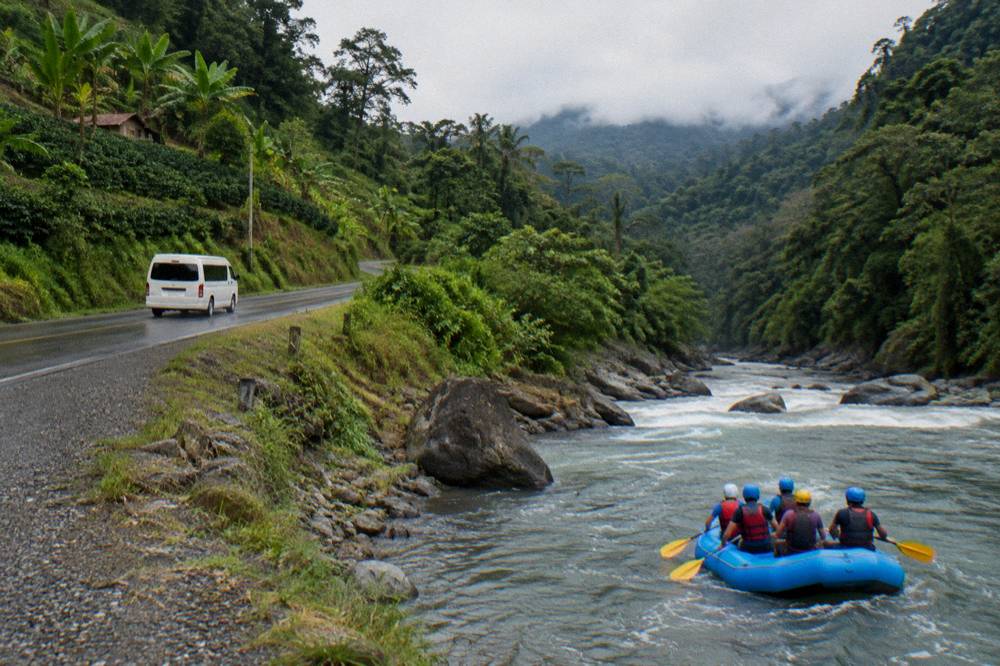
The Balsa suits younger families: its minimum ages are often 6 to 8, gentle enough for genuine first timers and nervous paddlers. The Pacuare's national legal floor for Class III-IV water is age 12 under the Costa Rica rafting norm, several listings state a minimum age of 12, and some operators raise their own floor to 14 from June to November when the water runs higher. Under 12 on this river, the answer is no.
The age rules deserve a plain explanation because they surprise people. Costa Rica's national technical norm for rafting sets minimum ages by rapid class: ages 5 to 7 may run Class I and II, ages 8 to 11 up to Class III, ages 12 to 17 up to Class IV, and 18 and over up to Class V. A Class III-IV Pacuare run is therefore legally open from 12, but operators can and do set stricter limits, and the higher-water months push some to 14. Listings may also carry their own age line, so check the listing before promising a 12-year-old.
| Age group | Legal river class ceiling (national norm) | What it means for the Pacuare |
|---|---|---|
| Under 5 | No class at all | Cannot raft |
| 5 to 7 | Class I and II | Too young for any Pacuare commercial run |
| 8 to 11 | Class I to III | Too young for the Class III-IV gorge day |
| 12 to 17 | Class I to IV | Legal from 12; some operators set 14 in wet months |
| 18 and over | Class I to V | All commercial Pacuare trips open |
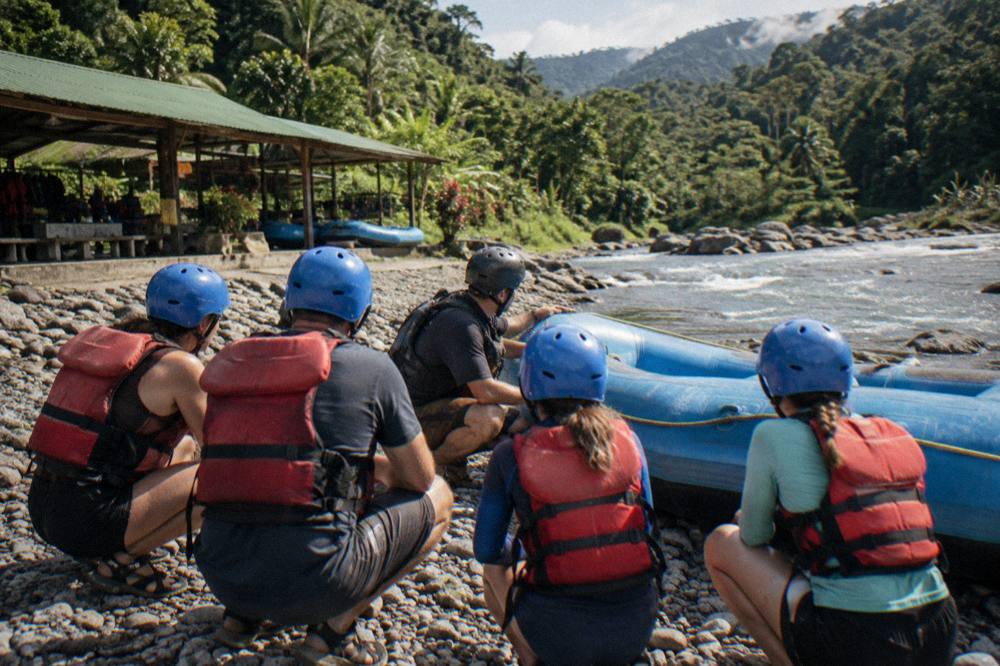
Beginner adults are a different story from beginner kids. Can a beginner handle Class IV? Our blog piece can a beginner do Class 4 rapids works through it: with a good guide, a safety talk and honest swimming ability, many first timers run the Pacuare happily, and operators report the lower-water months making it gentler. The Balsa asks nothing of you; the Pacuare asks for attention and rewards it.
For the family-specific planning angle, including which listings suit teens, see Pacuare rafting with kids and teens.
What About Combining Both Rivers On One Trip?
There is no rafting plus zipline or canyoning combo on the Pacuare in our catalogue, and no Balsa listing either, so a two-river trip means booking separate products. The natural version is a Balsa warm-up day from La Fortuna followed by a Pacuare day, or better, the Pacuare lodge overnight, which turns the gorge into a two-day journey from $269 per person.
Combining works best when the Pacuare comes second. Paddle the easy river first, learn to take commands, then spend a night at a riverside lodge and run the gorge with fresh skills. The two-day listings on this site include the San Jose, Caribe, Arenal Pacuare Hiking and Rafting 2-Day Trip, from $269 per person with one night at Pacuare River Lodge, meals and transfers from San Jose, Puerto Viejo or La Fortuna, plus the Two-Day Rafting Tour with transportation included from $370 per person, overnighting at Avesol Lodge with hiking trails, waterfalls and a happy hour listed among the inclusions.
Multi-day cancellation windows vary: some lodge listings set their own window, 3 to 6 days before departure, while the two trips named above show 24-hour free cancellation. Read the listing before booking, especially in the wet months when operators can cancel or reroute in high water.
For the full overnight picture, see our two-day Pacuare overnight rafting trip guide.
Common Questions About Pacuare Vs Arenal Balsa Rafting
Which River Is Better For Beginners, The Pacuare Or The Balsa?
The Balsa is gentler, Class II-III on commercial runs with minimum ages often 6 to 8. The Pacuare runs Class III-IV, but travelers report it is beginner friendly at lower water, and the most reviewed Turrialba day trip takes first timers. Choose by confidence and season, not by label.
How Far Is The Pacuare From La Fortuna?
La Fortuna to Turrialba is about 3h30 by commonly reported drive times, each way. That is why the La Fortuna pickup listings matter, including the shuttle listing that rafts the Pacuare and then drops you in La Fortuna or at San Jose airport.
Can Kids Under 12 Raft The Pacuare?
No. The national norm sets age 12 as the floor for Class IV water, listings that state an age say 12, and some operators raise their own limit to 14 from June to November. Under 12, a Class II-III river like the Balsa is the appropriate option.
Is The Pacuare More Expensive Than The Balsa?
This site sells no Balsa trips and prints no price for it. On the roster, Pacuare day trips run from $99 per person, the Turrialba day trip, up to $195 depending on departure and operator, with multi-day lodge trips from $269. Whatever the Balsa costs on its own listing, the deciding cost is really the transfer time.
Can You Do Both Rivers On One Trip?
Yes, by booking them as separate products, there is no combo listing that covers both. A common pattern is a short Balsa float from La Fortuna early in the trip, then a Pacuare day or a two-day lodge overnight, using the shuttle listing to end in La Fortuna or San Jose.
Which River Is More Scenic?
The Pacuare, by a wide margin, runs through a protected forest reserve in a roadless gorge with waterfalls dropping into the channel, including the roughly 150-foot Huacas fall. The Balsa runs near La Fortuna. Scenery is where the extra drive pays for itself.